
Hair issues are not just cosmetic concerns; they can deeply affect an individual’s emotional well-being and mental health. Many people experiencing hair loss or baldness report reduced self-confidence, social withdrawal, and, in some cases, symptoms of stress and depression. While the psychological impact of hair loss is significant, hope is not lost. Today, hair transplant procedures offer an effective solution—not only for restoring hair but also for rebuilding self-esteem and confidence.
The Bond Between Hair Loss and Mental Health
For many individuals, hair is closely linked to identity and self-recognition. Losing hair, especially at a young age, can trigger feelings of insecurity, helplessness, and emotional distress. Studies and discussions within professional organizations such as the Hair Research Society highlight that people facing hair loss are more prone to anxiety and depression, particularly when it begins to affect their social and professional lives.
Benefits of Hair Transplant Treatment
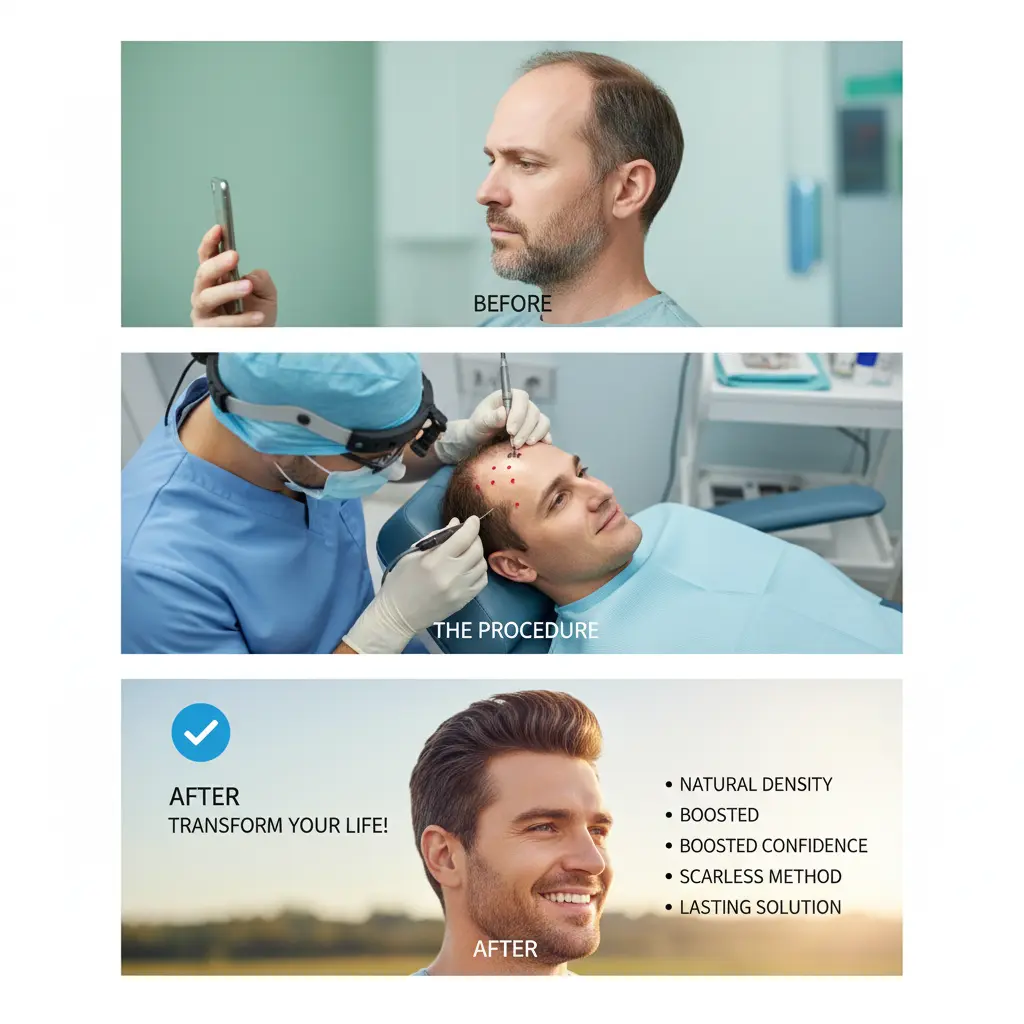
Hair transplantation has become one of the most reliable options for individuals seeking long-term hair restoration with natural results. Some key benefits include:
- Long-lasting Results: Transplanted hair is typically permanent, allowing individuals to enjoy results for many years.
- Improved Confidence: Restoring hair often leads to a visible boost in self-esteem and a more positive self-image.
- Minimal Discomfort: Modern hair transplant techniques are minimally invasive, and most patients experience only mild discomfort during and after the procedure.
- Cost-effective Over Time: Hair transplantation is an affordable long-term solution for hair loss, as it reduces the need for repeated temporary treatments.
- Natural-looking Outcome: The transplanted hair grows in the same direction and pattern as natural hair, creating a realistic and seamless hairline.
Benefits Beyond Hair Growth
A hair transplant does more than fill bald areas—it helps restore dignity, confidence, and mental peace. Many patients report reduced anxiety, better social interactions, and improved overall quality of life after the procedure. This highlights that treating the emotional impact of hair loss is just as important as addressing the physical condition, a principle well understood by experienced Hair Transplant Surgeons during patient consultations.
Conclusion
If hair loss is affecting your mental health and emotional well-being, seeking professional guidance can be a positive first step. A proper consultation helps address both the physical and psychological aspects of hair loss. If you are struggling with hair thinning, baldness, and the emotional burden that comes with it, remember—you are not alone. Effective solutions are available, and a hair transplant may be the path toward renewed confidence and peace of mind.
Frequently Asked Questions (FAQs)
Yes. Hair loss can strongly impact self-esteem, confidence, and emotional well-being. Many individuals experience anxiety, stress, social withdrawal, or low self-confidence due to thinning hair or baldness, especially when it affects their appearance at a young age.
In many cases, yes. By restoring hair and improving appearance, a hair transplant often leads to increased self-confidence, reduced anxiety, and a more positive self-image. Many patients report feeling more comfortable in social and professional situations after the procedure.
Modern hair transplant procedures are safe, minimally invasive, and performed under expert supervision. Knowing that the treatment is effective and long-lasting often provides emotional relief and peace of mind to patients who have struggled with hair loss for years.
If hair loss is causing ongoing emotional distress, reduced confidence, or affecting daily life—and medical treatments are no longer effective—a professional consultation can help determine whether a hair transplant is the right solution.