
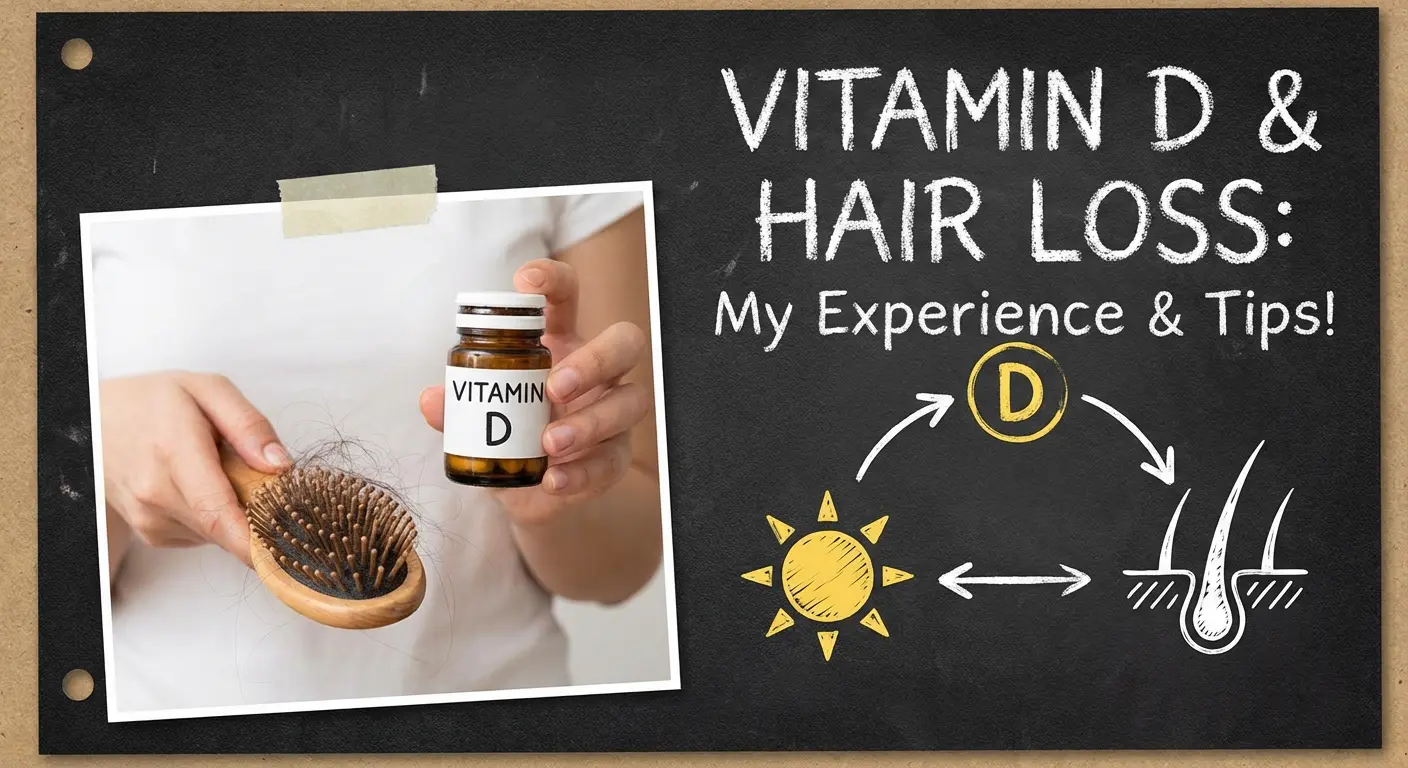
Hair loss is one of the most common concerns affecting both men and women today. While genetics, hormones, and stress are well-known causes, many people overlook an important factor—Vitamin D deficiency. Understanding how Vitamin D affects hair growth can help you prevent thinning and maintain stronger, healthier hair.
Medical education platforms such as the Middle East Hair Research Society and professional Hair Transplant Training programs emphasize the importance of nutritional health, especially Vitamin D, in maintaining optimal hair follicle function and long-term hair restoration outcomes.
What is Vitamin D and Why is It Important?
Vitamin D is not just a regular vitamin—it is considered a pro-hormone because it plays a critical role in multiple physiological processes in the body. It influences:
- Cell growth and regeneration
- Immune system function
- Hormonal balance
- Bone health
- Hair follicle development
There are two main forms of Vitamin D:
- Vitamin D2 (Ergocalciferol): Found in plant-based and fortified foods
- Vitamin D3 (Cholecalciferol): Found in animal-based foods like fatty fish, egg yolk, and fish liver oil
Both forms are converted into the active form by the liver and kidneys, allowing the body to regulate essential biological functions—including hair growth.
How Vitamin D Directly Affects Hair Growth
Hair follicles are among the most active structures in the body. They continuously cycle through growth and rest phases. The two most important phases include:
- Anagen Phase (Growth Phase): When hair actively grows
- Telogen Phase (Resting Phase): When hair stops growing and eventually sheds
Vitamin D plays a crucial role in maintaining the duration and quality of the anagen phase.
When Vitamin D levels are low:
- The growth phase becomes shorter
- Hair follicles weaken
- Hair becomes thinner
- Hair shedding increases
Over time, this imbalance can lead to visible hair thinning and reduced density.
The Role of Vitamin D in Hair Follicle Cell Function
Hair follicles are formed by specialized cells known as keratinocytes. Vitamin D supports these cells by:
- Promoting healthy cell division
- Reducing inflammation around hair roots
- Supporting follicle regeneration
- Improving scalp health
Without adequate Vitamin D, follicle function becomes weaker, which can slow down hair growth and increase hair fall.
Educational programs supported by organizations like the Middle East Hair Research Society highlight that proper follicle nutrition is essential not only for prevention but also for improving outcomes after hair restoration procedures.
Hair Conditions Linked to Vitamin D Deficiency
Low Vitamin D levels are associated with several hair-related conditions, including:
- Hair thinning
- Excessive hair fall
- Alopecia areata (patchy hair loss)
- Female pattern hair loss
- Premature greying
Vitamin D also affects serotonin levels, which regulate mood and stress. Chronic stress and mood imbalance can further worsen hair loss.
Common Symptoms of Vitamin D Deficiency
Hair loss may be one of the early signs, but other symptoms often include:
- Fatigue and low energy
- Muscle pain
- Bone pain
- Mood swings
- Anxiety or depression
If hair loss is accompanied by these symptoms, checking Vitamin D levels becomes important.
Why Vitamin D Deficiency is So Common Today
Modern lifestyle factors have significantly increased deficiency rates worldwide. Major causes include:
- Limited sun exposure due to indoor work
- Poor dietary habits
- Increased screen-based lifestyle
- Obesity, which reduces Vitamin D availability
- Aging, which reduces natural synthesis
Studies suggest that more than half of the global population may have insufficient Vitamin D levels.
How to Improve Vitamin D Levels for Healthy Hair
1. Sunlight Exposure
The body naturally produces Vitamin D when exposed to sunlight. Around 20–30 minutes of direct sunlight exposure on skin can help support natural production.
2. Dietary Sources
Foods rich in Vitamin D include:
- Fatty fish
- Egg yolks
- Fortified dairy products
- Fish liver oil
However, diet alone is often insufficient.
3. Medical Supplements
In cases of deficiency, supplements may be recommended by a doctor based on blood test results. Proper dosage is essential, as excessive intake can cause toxicity.
Hair specialists trained through certified Hair Transplant Training programs understand that correcting nutritional deficiencies is a critical step before considering advanced hair restoration treatments.
Why Testing Vitamin D Levels is Important
A simple blood test can determine Vitamin D status. Even levels within the lower end of the normal range may not be optimal for hair health.
Early detection allows timely correction and helps prevent long-term follicle weakening.
The Connection Between Nutrition and Long-Term Hair Health
Healthy hair growth depends on multiple factors, including hormones, genetics, and nutrition. Vitamin D plays a central role in maintaining follicle activity, reducing inflammation, and supporting the natural hair cycle.
Professional hair specialists and research organizations such as the Middle East Hair Research Society emphasize that treating underlying deficiencies is essential for preventing hair loss and supporting long-term hair restoration success.
Conclusion:
Vitamin D is a critical regulator of hair follicle health and growth. Deficiency can shorten the growth phase, weaken follicles, and increase hair fall. The good news is that early detection and proper management can help restore balance and support healthier hair growth.
Maintaining optimal Vitamin D levels through sunlight, proper nutrition, and medical guidance is one of the most effective steps you can take to protect your hair and overall health.