
Hair loss affects millions of people worldwide, and Minoxidil remains one of the most widely used over-the-counter treatments for improving hair density and slowing hair thinning. However, many users quit too early because they don’t fully understand how Minoxidil works or how to maximize its benefits.
Hair restoration experts and educators involved in organizations such as the Middle East Hair Research Society frequently emphasize that successful hair loss treatment requires realistic expectations, consistency, and proper application techniques.
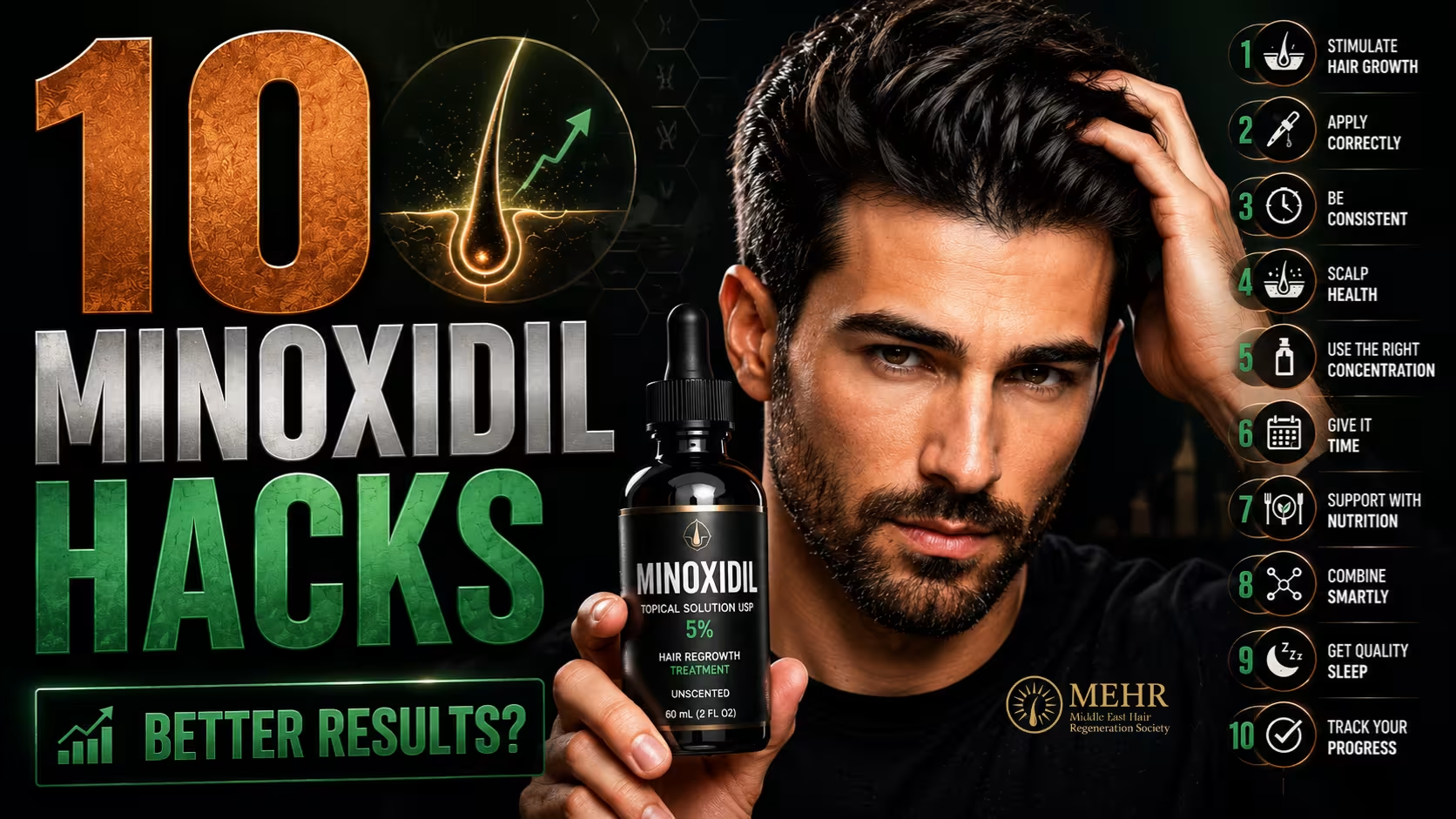
Here are 10 important Minoxidil hacks that can help improve your results.
1. Choose the Right Strength
Minoxidil is commonly available in 2% and 5% concentrations. While many people assume the 5% version is only for men, many hair restoration specialists recommend 5% Minoxidil for both men and women under proper guidance. The key is understanding how to use it correctly rather than simply choosing the highest concentration.
2. Consistency Beats Perfection
One of the biggest mistakes users make is applying Minoxidil perfectly for two weeks and then stopping. Hair growth requires patience. Consistent application over months is far more effective than sporadic use. Even if daily application is difficult, maintaining a regular schedule can significantly improve long-term results.
3. Expect Initial Shedding
Many users panic when they notice increased shedding during the first few weeks. In reality, temporary shedding is often a sign that Minoxidil is pushing older hairs out and encouraging new growth cycles. This phase usually occurs within the first few weeks of treatment and should not be mistaken for treatment failure.
4. Apply Only Where Needed
Minoxidil should be applied directly to areas experiencing hair loss. Applying excessive amounts does not accelerate results and may increase the risk of unwanted hair growth in surrounding areas. Precision is more important than quantity.
5. Minoxidil Can Help Eyebrows
Many users have successfully used Minoxidil to improve eyebrow density. Using a clean eyebrow brush or spoolie allows for careful application to sparse eyebrow areas. However, extra caution is necessary because of the proximity to the eyes. Always avoid direct contact with the eyes and follow professional guidance.
6. Microneedling May Enhance Results
Some studies suggest that combining Minoxidil with microneedling may improve treatment outcomes. Microneedling creates controlled micro-injuries that may enhance Minoxidil absorption and stimulate growth factors. However, proper technique and hygiene are essential to avoid complications.
7. Protect Your Pets
Many people are unaware that Minoxidil can be toxic to cats and dogs.
After application:
- Wash your hands thoroughly.
- Keep bottles away from pets.
- Avoid allowing pets to come into contact with treated areas.
Pet safety should always be a priority.
8. Foam May Be Easier Than Liquid
Some users experience irritation from liquid formulations. Foam Minoxidil often dries faster and may reduce scalp irritation, making long-term compliance easier. Choosing the right formulation can significantly improve your treatment experience.
9. Oral Minoxidil Is an Alternative
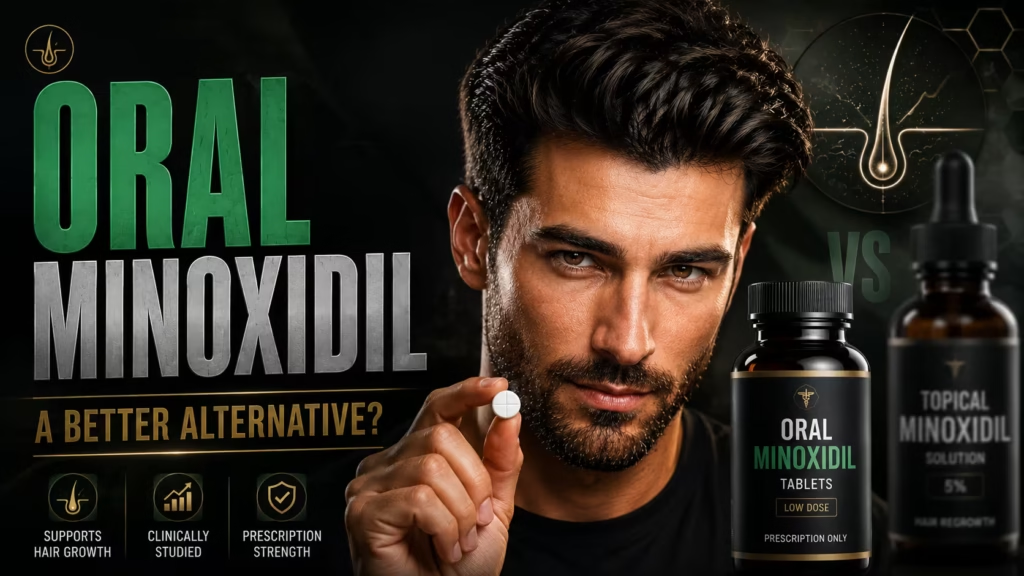
For individuals who cannot tolerate topical Minoxidil, doctors may prescribe low-dose oral Minoxidil. This option requires medical supervision because it can affect blood pressure and may not be suitable for everyone. Professional evaluation is essential before starting oral treatment.
10. Minoxidil Is Not a Permanent Cure
Perhaps the most important lesson is understanding that Minoxidil helps manage hair loss—it does not permanently cure it.
If treatment is discontinued, many users gradually lose the benefits they gained.
This is why hair restoration specialists often recommend combining Minoxidil with comprehensive treatment plans.
Where Hair Transplant Training Fits Into Modern Hair Restoration
As hair restoration techniques continue to evolve, proper Hair Transplant Training has become increasingly important for medical professionals.
Understanding how treatments like Minoxidil interact with hair transplantation helps surgeons create better long-term treatment strategies for patients.
Modern Hair Transplant Training programs teach physicians how to combine medical therapies, including Minoxidil, with advanced FUE and FUT techniques to maximize patient outcomes.
The Educational Role of the Middle East Hair Research Society
The Middle East Hair Research Society plays an important role in promoting scientific education, research, and innovation within the field of hair restoration.
Through conferences, workshops, and professional Hair Transplant Training initiatives, the society helps practitioners stay updated on the latest evidence-based treatments, including Minoxidil therapy, regenerative medicine, and advanced surgical techniques.
Conclusion
Minoxidil remains one of the most effective and accessible treatments for hair loss. However, success depends on realistic expectations, proper application, and long-term commitment.
Whether you’re just beginning your hair restoration journey or considering advanced treatments in the future, understanding these 10 Minoxidil hacks can help you achieve better results while avoiding common mistakes.
Combined with expert guidance, ongoing education, and advances promoted by organizations like the Hair Research Society, patients today have more options than ever for preserving and restoring their hair.