
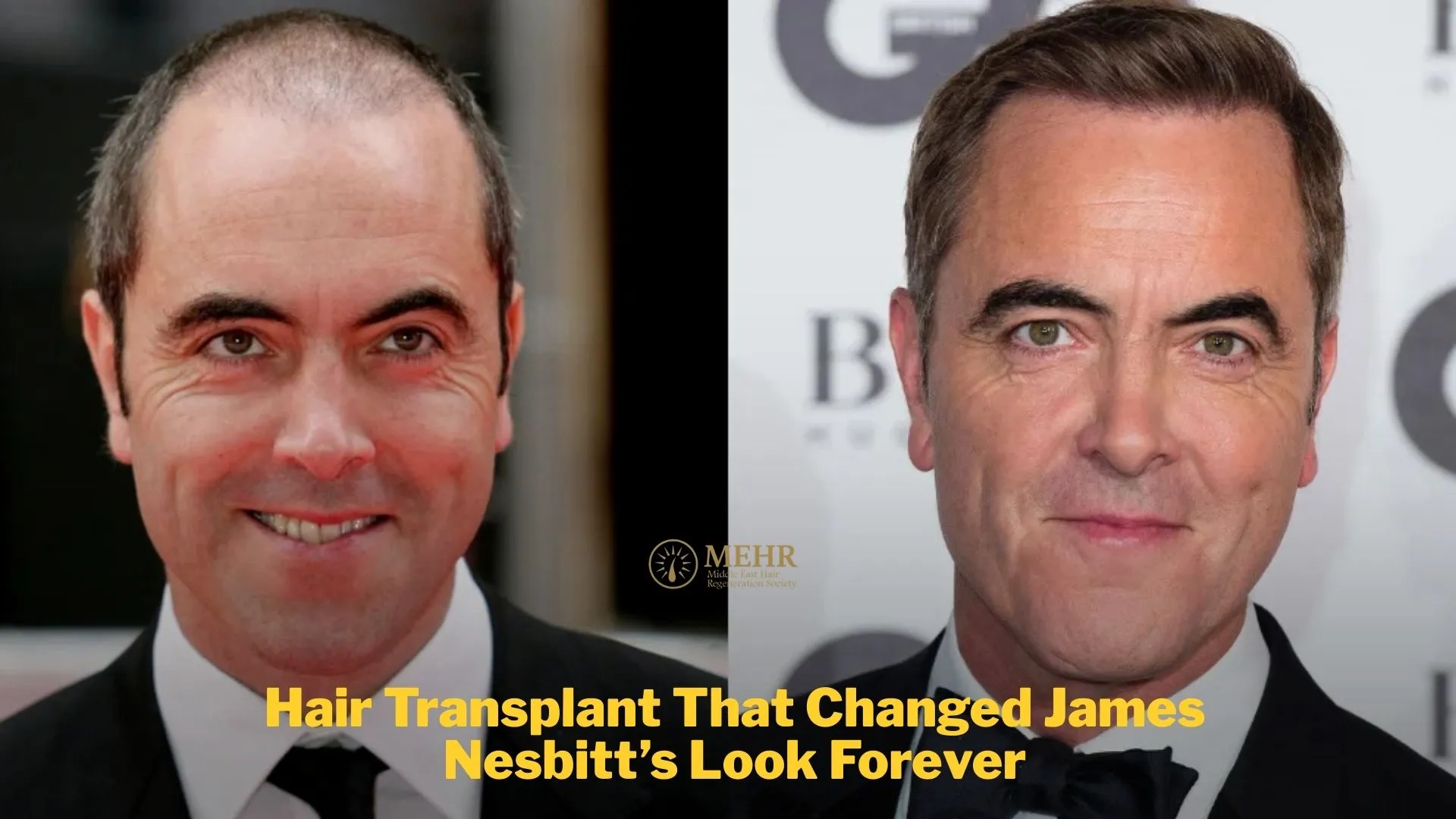
Hair loss rarely happens overnight. It creeps in slowly — a thinning crown, a receding hairline, a slightly wider forehead in photographs. Then one day, you look in the mirror and realize something has changed. For public figures like actor James Nesbitt, that realization is even harsher under studio lights and high-definition cameras, where every detail becomes impossible to ignore.
Hair Transformation That Caught Everyone’s Attention
Over the years, many viewers noticed something different about Nesbitt. He didn’t appear to have undergone a dramatic makeover, yet he gradually began to look younger and more confident. His hairline looked stronger, fuller, and more natural. What surprised many people later was that this wasn’t the result of one surgery, but multiple carefully planned procedures spaced out over time.
His story offers an important lesson about how modern hair restoration truly works — and why experienced Hair Transplant Surgeons always focus on strategy rather than shortcuts.
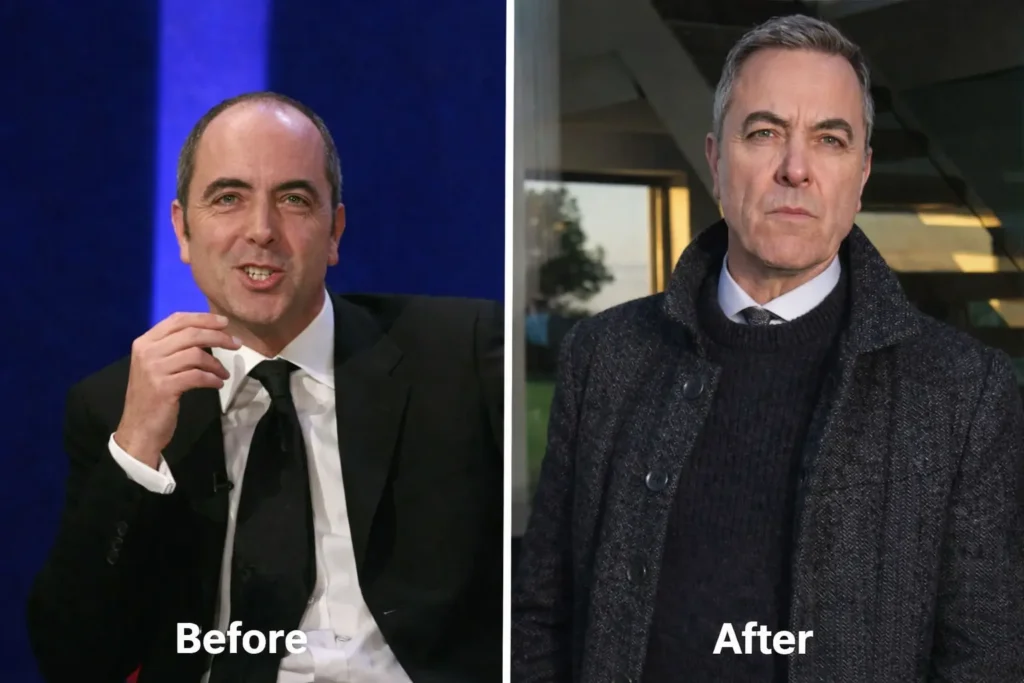
Unlike the popular belief that a hair transplant is a one-day fix, real results often require patience. In Nesbitt’s case, the first step was rebuilding the frontal hairline and temples. This area frames the face and creates the biggest visual impact. Even a small improvement here can instantly make someone look younger. Instead of trying to cover the entire scalp at once, his surgeons focused on structure first and density later.
Building Natural Density Through Multiple Sessions
As the years progressed, additional sessions helped thicken the mid-scalp and blend the transplanted areas naturally with existing hair. This gradual method prevented an artificial or “pluggy” look. More importantly, it preserved the donor area, which is critical for long-term success. Hair loss continues with age, so using all grafts in one session can create problems later. Smart planning ensures future adjustments remain possible.
This staged, conservative approach is widely supported by experts and professional bodies across the industry. Organizations like the Middle East Hair Research Society regularly emphasize research, training, and ethical practices to improve patient outcomes and safety. Their focus is clear: hair restoration should be evidence-based, medically sound, and customized for each individual rather than driven by unrealistic marketing promises.
Modern FUE Techniques and Faster Recovery in Hair Transplant Surgery
The techniques themselves have also evolved. Earlier transplants often relied on methods that harvested larger graft numbers at once, while today many procedures use advanced FUE or unshaven FUE techniques that leave minimal scarring and allow faster recovery. These modern options make it easier for patients to return to work discreetly without obvious signs of surgery. When performed correctly, even close friends may not notice anything except that the person looks healthier and more confident.
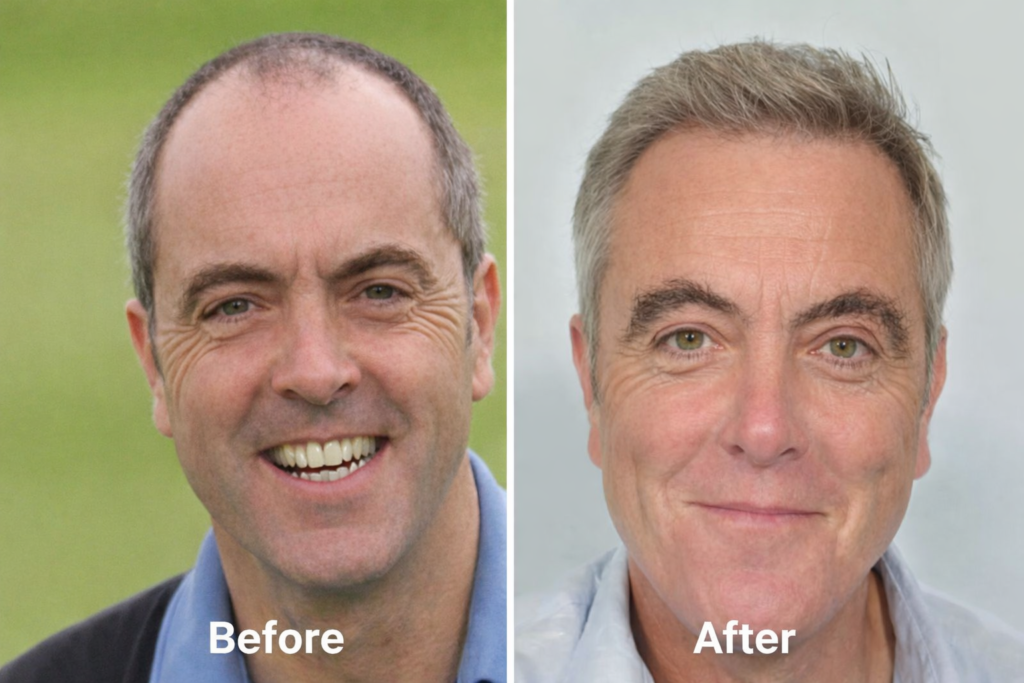
What makes James Nesbitt’s transformation so effective is that it never looks obvious. There is no harsh line, no unnatural density, and no sudden change that draws attention. Instead, the improvement feels organic. That is exactly what skilled Hair Transplant Surgeons aim to achieve — results that enhance appearance without announcing that a procedure was done.
What Patients Should Learn Before Choosing a Hair Transplant
For anyone considering treatment today, his journey highlights an important truth. A successful hair transplant isn’t about copying a celebrity or rushing into a single large session. It’s about proper consultation, realistic expectations, and choosing qualified professionals who understand long-term planning. With the right approach, hair restoration can look completely natural and significantly improve self-confidence.
Final Thoughts:
In the end, hair transplants are not just cosmetic procedures. They are confidence restorations. And as James Nesbitt’s story quietly proves, the best results are the ones nobody can detect — they simply make you look like the best version of yourself.