
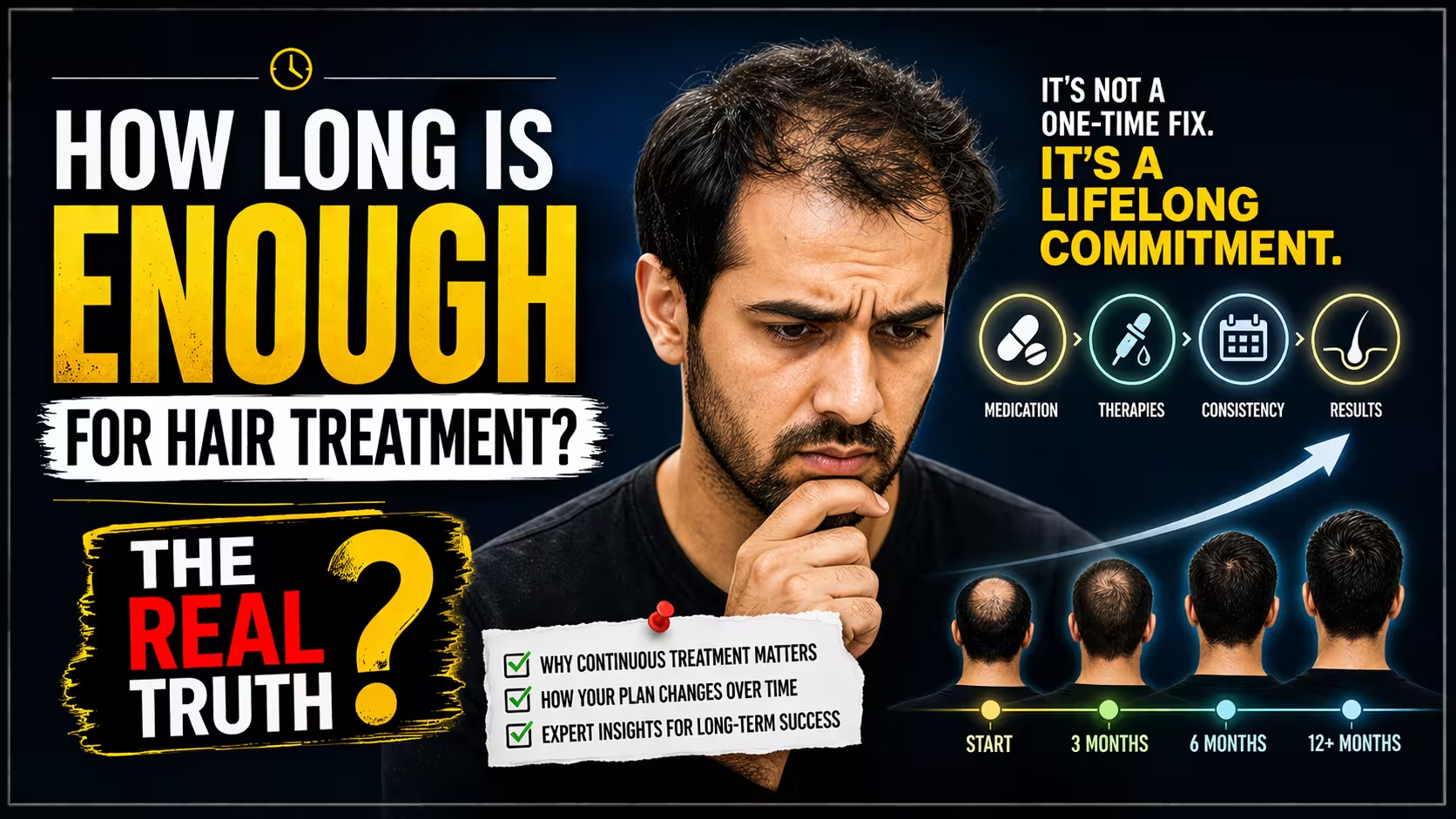
One of the most common questions every hair patient asks is simple yet powerful:
“How long will I need to continue hair treatment?”
Most people expect a comforting answer. But if you’re truly serious about saving your hair, you deserve the truth—not sweet talk.
The real answer is: You need treatment for as long as you want to keep your hair.
This might sound harsh, but once you understand the science behind hair loss, it will start to make complete sense.
Why Hair Treatment Is Not a One-Time Solution
Hair loss is not like a temporary illness that gets cured with a short course of medication. In most cases, especially with pattern hair loss, your body gradually becomes weaker at maintaining healthy hair growth.
- Hair fall increases
- Hair production decreases
- Follicles become weaker over time
This means your body needs continuous support to maintain and protect existing hair.
A Simple Example: Glasses and Vision
Think about people with weak eyesight.
How long do they need to wear glasses?
The answer is: for life.
And do they use the same power forever?
No. As vision changes, the lens power is adjusted.
Hair treatment works in a very similar way.
- Your hair needs ongoing support
- Your treatment may need to be adjusted over time
- Stopping treatment usually leads to hair loss again
Your Body Needs External Support
When your body starts losing hair faster than it can grow, it means: The natural hair growth system has weakened.
At this stage, external help becomes essential:
- Medications
- Therapies
- Lifestyle support
Without this, hair fall will continue progressively.
Why Treatment Protocols Change Over Time
Hair treatment is not static. As your body changes, your treatment plan must evolve.
- Every 6 months, adjustments may be required
- Dosage or therapies may be modified
- Advanced options may be introduced
This is not a failure—it is a modern strategy to maintain hair for the long term.
In fact, continuous innovation driven by organizations like the Hair research society ensures that treatments keep improving and becoming more effective.
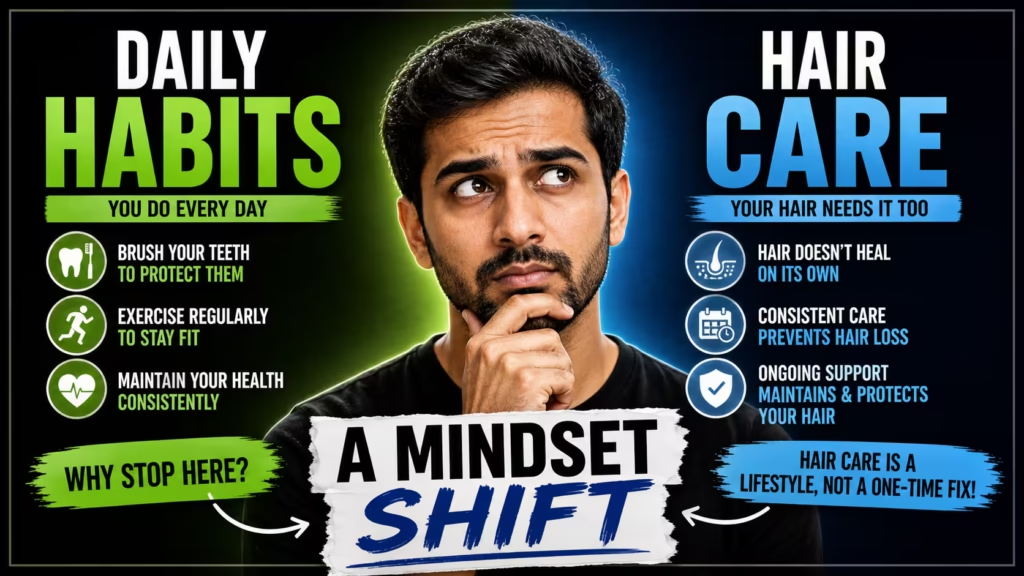
Daily Habits vs Hair Care: A Mindset Shift
Let’s look at your daily routine:
- You brush your teeth every day to protect them
- You exercise regularly to stay fit
- You maintain your health consistently
Then why expect hair to survive without ongoing care?
Hair care is not a one-time fix—it’s a lifestyle commitment.
Advanced Hair Care and Professional Guidance
With advancements in medical science and Hair transplant training, today’s specialists are better equipped than ever to design long-term, personalized treatment plans.
Whether it’s:
- Medical therapy
- Non-surgical treatments
- Or hair transplant procedures
The goal is not just regrowth—but long-term preservation and natural results.
Is Increasing Treatment Strength a Bad Sign?
Many people feel discouraged when their treatment is upgraded or intensified.
But here’s the truth:Increasing the strength of treatment is not a setback. It is a proactive step to extend the life of your hair Just like upgrading glasses improves vision, adjusting treatment improves hair survival.
Conclusion
Hair treatment is not about quick fixes—it’s about long-term commitment. If you truly care about your appearance and confidence, you need to accept one simple reality: Hair requires consistent care, just like any other part of your body.
The sooner you understand this, the better your results will be. Taking control of your hair journey is not a burden—it’s an investment in your personality, confidence, and future.
Frequently Asked Questions (FAQs)
As long as you want to maintain your hair. Stopping treatment usually leads to renewed hair loss.
No, because hair loss is ongoing. Maintenance is necessary to keep the results.
Your body and hair condition change over time, so treatment must be adjusted for best results.
Not when done under expert guidance. It’s a strategic adjustment, not a negative sign.
Organizations like the Hair research society continuously improve techniques and treatment effectiveness.
Even after transplant, maintaining existing hair often requires continued care.
Proper Hair transplant training ensures safe procedures, natural results, and long-term success.