
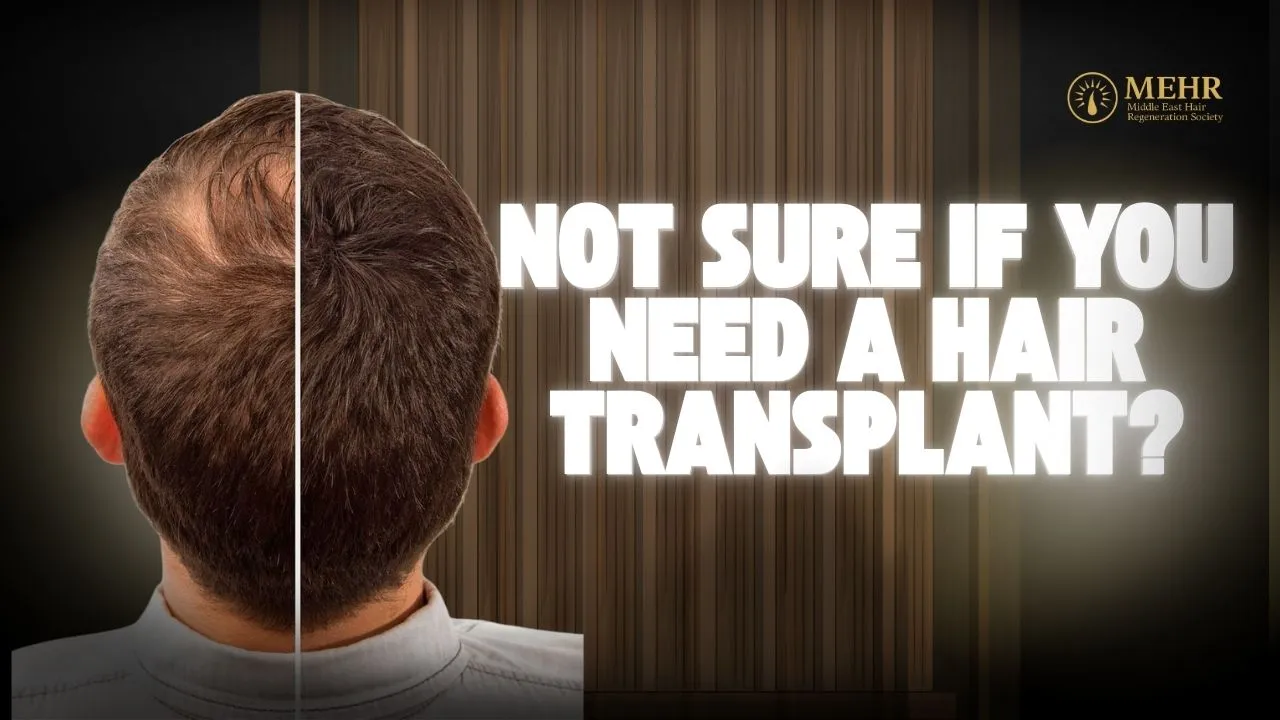
Experiencing hair loss can be a deeply challenging situation for many individuals. It often affects a person’s self-esteem and sense of identity. Hair is a significant aspect of one’s appearance and can greatly influence how one feels about themselves. Without it, many may struggle with feelings of confusion or loss. This is why it is essential to address hair loss with a thoughtful, scientific, and ethical approach—one that aligns with the standards promoted by globally recognized organizations such as the Middle East Hair Regeneration Society, a leading hair restoration society dedicated to evidence-based hair loss solutions.
Seeking a hair transplant can provide a reliable solution to hair-related concerns when performed under the guidance of a skilled professional who follows internationally accepted protocols supported by respected hair restoration societies.
However, there are times when a person may not even be sure whether they actually need a hair transplant. Consulting an expert trained in line with Middle East Hair Regeneration Society guidelines helps ensure a clear understanding of when a hair transplant is truly necessary. Considering the FUE hair transplant, it is important to confirm that you are the right candidate before proceeding. Below, we discuss the key signs that indicate the need for a hair transplant procedure.
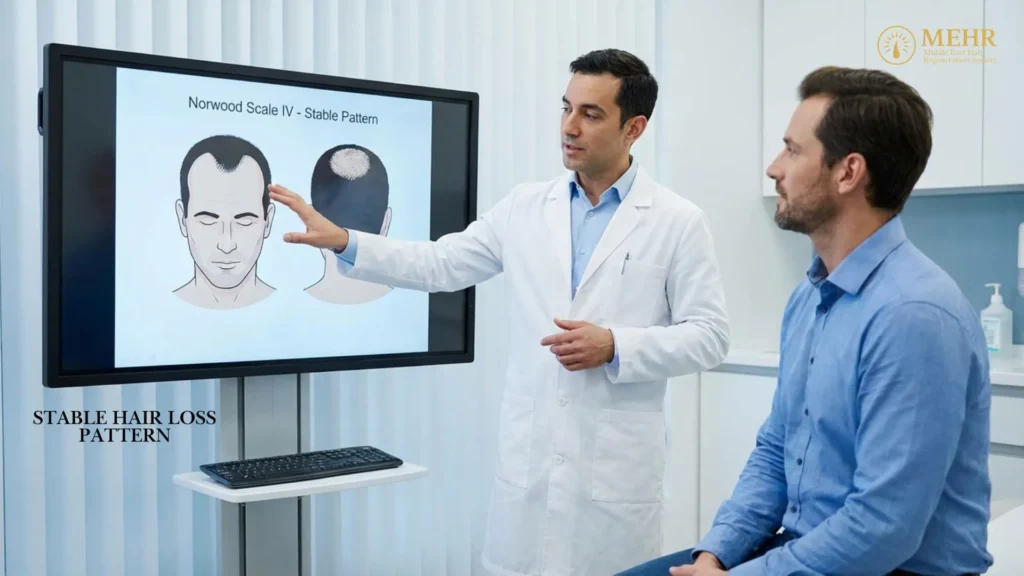
Stable Hair Loss Pattern
A stable hair loss pattern is one of the strongest indicators that a hair transplant may be suitable. When hair loss follows a predictable pattern—such as receding hairlines or thinning crown areas—it allows specialists, as recommended by any reputable hair restoration society, to design long-term, natural-looking results.
Sufficient Donor Hair Available
One of the most important criteria for a successful hair transplant is the availability of sufficient and healthy donor hair. According to principles followed by the Middle East Hair Regeneration Society, donor follicles must be strong, healthy, and suitable for transplantation to achieve optimal and lasting results.
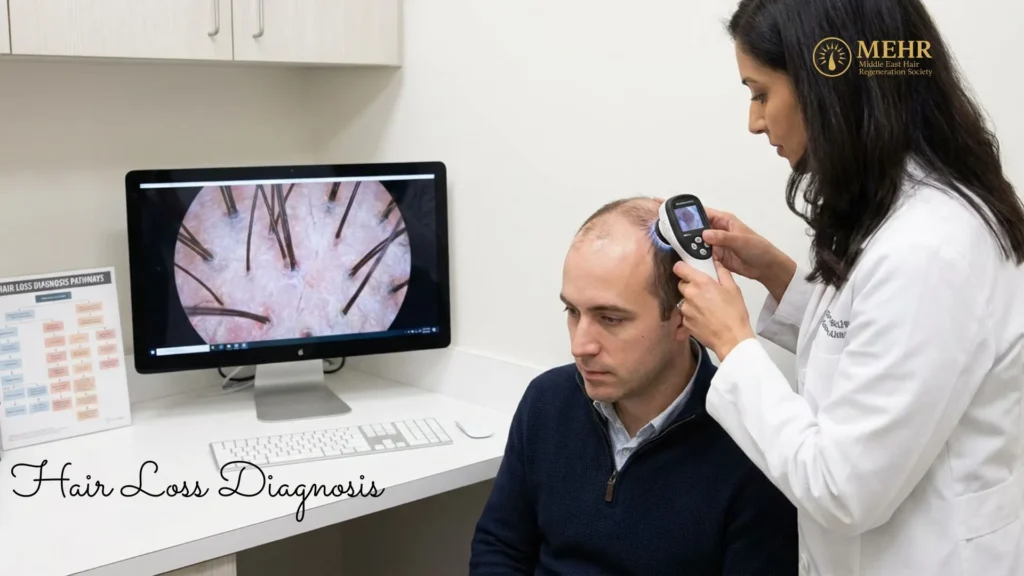
Hair Loss Diagnosis
With the increasing FUE hair transplant, undergoing a professional hair loss diagnosis is crucial. A proper diagnosis—endorsed by globally recognized hair restoration societies—ensures that a hair transplant is the most effective and appropriate treatment option for your condition.
Loss of Confidence
Hair loss can significantly impact self-confidence and emotional well-being. If hair thinning or baldness has begun to affect your personal or professional life, exploring hair restoration options recommended by a trusted hair restoration society may help restore both hair and confidence.
No Underlying Medical Conditions
It is equally important to ensure there are no underlying medical conditions that could interfere with healing or results. Ethical practices promoted by the Middle East Hair Regeneration Society emphasize patient safety, proper screening, and long-term care.
Conclusion
Hair loss is a challenging reality for many individuals, affecting both appearance and confidence. Since hair plays a major role in how we are perceived, considering options such as a hair transplant can be a life-changing decision—especially when guided by principles upheld by the Middle East Hair Regeneration Society and other respected hair restoration societies. If you or someone you know is experiencing noticeable hair loss, it may be the right time to explore professional hair restoration solutions and take a confident step toward lasting results.